Open Mind Psychotherapy & Wellness Center (954) 385-9550 / info@openmind.cc

Conflict Resolutions

Conflict is a state of disagreement that occurs within or between people.

While we usually think of conflict as a bad thing, the presence of conflict can be helpful.

Conflict is usually a signal that something needs to change. If people use a constructive approach to resolving conflict they can create positive change, grow as individuals, and strengthen relationships. There are several types of conflict. Conflict that occurs within a person is called intrapersonal conflict.

This happens when a person’s feelings, beliefs and ideas conflict with each other. Conflict between two or more people is called interpersonal conflict. Conflict occurs in systems too. If you watch the news, you know that there is conflict between groups, organizations and nations.

As humans, we are responsible for choices and decisions that lead to actions, and the result of those actions. Unfortunately, people are not born with the knowledge to solve conflicts. Because of this, we may develop mistaken habits that become unhelpful patterns for conflict resolution.

By analyzing the elements of a conflict and using the most effective tools we will be able to achieve a positive resolution.


psychotherapy, weston, Florida

Stress Management

There can be positive and negative stress.

Positive stress can result in taking action to successfully solve problems in our life and work, and it can result in feelings of excitement and fulfillment. Some stress is normal and even useful. Stress can help if you need to work hard or react quickly.

For example, it can help you win a race or finish an important job on time. Fun activities provide a source of eustress, the 'good' kind of stress that keeps you feeling vital and alive. It's the sense of excitement you get from completing a project, riding a roller coaster, or meeting an exciting challenge in your life. We need regular eustress in our lives, and fun activities can provide that.

Negative stress can result in our feeling of frustration, resentment, anger and even burnout and despair, along with a myriad of physical problems.

Lazarus defined stress as a condition or feeling experienced when a person perceives that demands exceed the personal and social resources the individual is able to mobilize. When you are stressed, your body responds as though you are in danger. It makes hormones that speed up your heart, make you breathe faster, and give you a burst of energy.

If you do not have the power to change a situation, then you may be able to reduce stress by changing the way you look at it.

Stress management is a learnable skill. If your methods of coping with stress aren’t contributing to your greater emotional and physical health, it’s time to find healthier ones. There are many healthy ways to manage and cope with stress, but they all require change.

Since everyone has a unique response to stress, there is no “one size fits all” solution to managing it. No single method works for everyone or in every situation, so you don’t have to keep suffering; Open Mind has specialists that can help you in finding and developing your appropriate tools to managing your stress.


psychoterapy, weston, florida, stress

Depression

Do you currently suffer, or have you recently suffered from, any of the following?

  1. Persistently sad or irritable mood
  2. Pronounced changes in sleep, appetite, and energy
  3. Difficulties thinking, concentrating, and remembering
  4. Physical slowing or agitation
  5. Present lack of interest in pleasure from activities that were once enjoyed
  6. Feelings of guilt, worthlessness, hopelessness, and emptiness, and recurrent thoughts of death or suicide
  7. Persistent physical symptoms that do not respond to treatment, such as headaches, digestive disorders, and chronic pain

If you answered YES to five or more of the above, you may very likely be suffering from depression.


These are symptoms of depression, and when you experience several of them at the same time, lasting longer than two weeks, and they interfere with your ordinary functioning, professional treatment is needed. 

Depression is the most commonly treated mental health issue after anxiety, 
1 in 6 Americans will experience clinical depression at some point in his or her life. By 2020, depression will be the second largest killer after heart disease. 

Going through life depressed, is like going through life with a chronic case of the flu—yet 80% of depressed individuals are not receiving treatment, and likely don't even realize they are depressed.


depression, psychotherapy, weston, florida


POSTPARTUM DEPRESSION

Postpartum depression (PPD), also called postnatal depression, can affect women after childbirth.

Symptoms of PPD can occur anytime in the first year postpartum and include, but are not limited to, the following: 


  • Sadness • Hopelessness
  • Low self-esteem
  • Guilt
  • Sleep and eating disturbances
  • Inability to be comforted
  • Exhaustion
  • Emptiness
  • Inability to experience pleasure
  • Social withdrawal
  • Low or no energy
  • Becoming easily frustrated
  • Feeling inadequate in taking care of the baby
  • Impaired speech and writing
  • Spells of anger towards others
  • Increased anxiety or panic attacks


postpartum depression, psychotherapy, weston, florida


Anger Management


ANGER MANAGEMENT

Anger is a normal, healthy, human emotion. But when it gets out of control and turns destructive, it can lead to problems: at work, in your personal relationships, and in the overall quality of your life.

Anger can make you feel as if you're at the mercy of an unpredictable and powerful emotion. Therefore Open Mind’s goal is to provide you with the tools to reduce both your emotional feelings and the physiological arousal that anger causes.

You can't get rid or avoid the things or the people that enrage you, nor can you change them, but you can learn techniques to control your reactions.


anger management, weston, florida


Anxiety Disorders

  • Generalized Anxiety Disorder (GAD)
  • Panic Attack
  • Obsessive Compulsive Disorder (OCD)
  • Post Traumatic Stress Disorder (PTSD)
  • Social Phobia
  • Specific Phobia


Generalized Anxiety Disorder SELF-EVALUATION CHECKLIST

Do you currently suffer, or have you recently suffered from, the following?

  1. Anxiety and/or worry about a number of events, such as work, financial matters, school performance, etc.
  2. Difficulty in controlling the worry
  3. Restlessness, feeling keyed up or on edge
  4. Being easily fatigued
  5. Difficulty concentrating, mind going blank
  6. Irritability
  7. Muscle tension
  8. Restless sleeps or difficulty falling or staying asleep

If you answered YES to three or more of the above, you may be suffering from generalized anxiety. (There are also more specific forms of anxiety, such as social phobia and panic).

What else could go wrong?

You are not the only one who regularly has one of "those days."

Anxiety disorders are the most common mental health issue in the US. 1 in 5 Americans struggle with anxiety Individuals suffering from anxiety are 3-5 times more likely to go to the doctor, as anxiety often mimics physical illness People with generalized anxiety disorder (GAD) go through the day filled with exaggerated worry and tension, even though here is little or nothing to provoke it.

They anticipate disaster and are overly concerned about health issues, money, family problems, or difficulties at work. Sometimes just the thought of getting through the day produces anxiety.

 

anxiety, psychotherapy, weston, florida


Panic Attack

Do you suffer any of the following?

  1. Sweating
  2. Rapid heartbeat
  3. Nausea, stomach cramps
  4. Shortness or breath, feeling of smothering
  5. Chest pain
  6. Numbness
  7. Feelings of disconnection or unreality
  8. Hot or cold flashes
  9. Fear of dying, losing control or going crazy
  10. Trembling or shaking
  11. Feeling of choking
  12.  Dizziness or lightheadedness
  13. Feeling detached from oneself (depersonalization)

If you have experienced four or more of these symptoms during a relatively brief time (less than 10 minutes), you may have had a panic attack.

If such attacks recur, especially if accompanied by a dread of situations, which may trigger another episode, you may be suffering from a panic disorder.
 

panic attack,anxiety, psychotherapy, weston, florida


Obsessive Compulsive Disorder


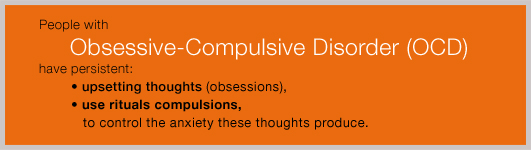
For example, if people are obsessed with germs or dirt, they may develop a compulsion to wash their hands over and over again.

If they develop an obsession with intruders, they may lock and re lock their doors many times before going to bed.

Being afraid of social embarrassment may prompt people with OCD to comb their hair compulsively in front of a mirror-sometimes they get “caught” in the mirror and can’t move away from it.

Performing such rituals is not pleasurable. At best, it produces temporary relief from the anxiety created by obsessive thoughts. Most of the time, the rituals end up controlling them. If you are experiencing these symptoms do not have to continue suffering.

Come to Open Mind, and with great understanding our therapists will help you overcome these difficulties.


Post Traumatic Stress Disorder 

Post-traumatic stress disorder (PTSD) develops after a terrifying ordeal that involved physical harm or the threat of physical harm.

The person who develops PTSD may have been the one who was harmed, the harm may have happened to a loved one, or the person may have witnessed a harmful event that happened to loved ones or strangers. PTSD was first brought to public attention in relation to war veterans, but it can result from a variety of traumatic incidents, such as mugging, rape, torture, being kidnapped or held captive, child abuse, car accidents, train wrecks, plane crashes, bombings, or natural disasters such as floods or earthquakes.

People with PTSD may startle easily, become emotionally numb (especially in relation to people with whom they used to be close), lose interest in things they used to enjoy, have trouble feeling affectionate, be irritable, become more aggressive, or even become violent. They avoid situations that remind them of the original incident, and anniversaries of the incident are often very difficult.

PTSD symptoms seem to be worse if another person, as in a mugging or a kidnapping, deliberately initiated the event that triggered them. Most people with PTSD repeatedly relive the trauma in their thoughts during the day and in nightmares when they sleep.

These are called flashbacks. Flashbacks may consist of images, sounds, smells, or feelings, and are often triggered by ordinary occurrences, such as a door slamming or a car backfiring on the street. A person having a flashback may lose touch with reality and believe that the traumatic incident is happening all over again.


ptsd, post traumatic stress disorder, anxiety, psychotherapy, weston, florida 


Social Phobia

Do you currently suffer, or have you recently suffered from, the following:  

  1. Fear of social situations in which others expose you to unfamiliar people or possible scrutiny.
  2. In social situations fear you will act in a way (or show anxiety symptoms) that will cause embarrassment.
  3. Exposure to feared social situation provokes anxiety and/or panic.
  4. You recognize your social fear to be excessive or unreasonable.
  5. Avoidance or dread of feared social situation.
  6. Fear of social or performance situations interferes with your normal routine If you experience several of the above, you may be suffering from social anxiety, also called social phobia.

Social phobia, also called social anxiety disorder, is diagnosed when people become overwhelmingly anxious and excessively self-conscious in everyday social situations. People with social phobia have an intense, persistent, and chronic fear of being watched and judged by others and of doing things that will embarrass them.

They can worry for days or weeks before a dreaded situation. This fear may become so severe that it interferes with work, school, and other ordinary activities, and can make it hard to make and keep friends.


social phobia, phobia, anxiety, psychotherapy, weston, florida


Specific Phobia

Specific phobia is an intense fear of something that poses little or no actual danger.

Some of the more common specific phobias are centered around closed-in places, heights, escalators, tunnels, highway driving, water, flying, dogs, and injuries involving blood. Such phobias aren’t just extreme fear; they are irrational fear of a particular thing.

You may be able to ski the world’s tallest mountains with ease but be unable to go above the 5th floor of an office building.

While adults with phobias realize that these fears are irrational, they often find that facing, or even thinking about facing, the feared object or situation brings on a panic attack or severe anxiety.



sphecific phobia, phobia, anxiety, psychotherapy, weston, florida

Services

Anxiety Disorders

Programs

Tools

  • Links & Resources

About Us

Follow Us