

How to tell a child that their origin is thanks to science
When a couple appeals to science to have a child, it is because they have tried for several years, and with different treatments, and have not been able to achieve conception. Despite repeated high hopes and disappointments, they keep trying to make their dream become a reality.
For these people, the desire to have a child is very deep. They need great patience and tolerance to frustration. This much-desired baby will be received with high expectations and a lot of love, and will be provided with everything her parents can attain. The family will finally become what these parents have always wanted.
In my practice I have observed that once parents are able to overcome the anxiety and distress generated by the inability to conceive a child, and become pregnant thanks to in-vitro fertilization, attained by egg or sperm donation's, they begin a new period in their lives where they become concerned with how to tell their child that his origin is through science.
Questions start to arise, such as: "Should we tell her or not? How do I explain that he carries genes from someone he doesn't know, but was born from my belly? Should I tell her she was adopted?"
To allay these concerns it is convenient to understand that the quality of a sound and stable emotional bond is what ultimately will allow a healthy psychological development and a high self esteem in the child. Children raised this way are sociable, confident and present a reduced risk of psychological problems during their development.
With this concept in mind, it is important to avoid damaging the trust a child places in his parents, with a lie or a secret. You never know when the child will end up learning about his origin, either by a family crisis, an accident, a family member that at some point in life can tell him, or any other situation that reveals the truth.
The Ethics Committee of the American Society for Reproductive Medicine recommends talking to children about the donation.
Around the age of three or four, children begin to ask how babies are born. Today the trend is to go always with the truth using simple words. You can respond that babies are born from the loving union of two people who are father and mother, and that some parents need to seek help from the doctor to do so.
When the child asks, she can be told that her arrival was much desired and sought, that the doctor helped mom and dad so that she could come to be part of the family. No need to add more information, children themselves will take care of completing the story as they grow older.
It is favorable to avoid creating a family secret, or turn this into a forbidden subject. If something comes up on TV or in another situation that brings up the subject, it is important to be able to take it as an opportunity to open up about it naturally.
A child, who does not feel betrayed by his parents and has maintained a healthy, solid and stable relationship with them, will not suffer any psychological dysfunction associated to his assisted origin. Recent studies in England, Holland, Italy and Spain support this affirmation.
I therefore invite parents to elude your fears, and enjoy your role. Love your child intensely, do not lie, maintain a stable and spontaneous connection with him, and feel confident that over time your child will be giving back to you in the same way.
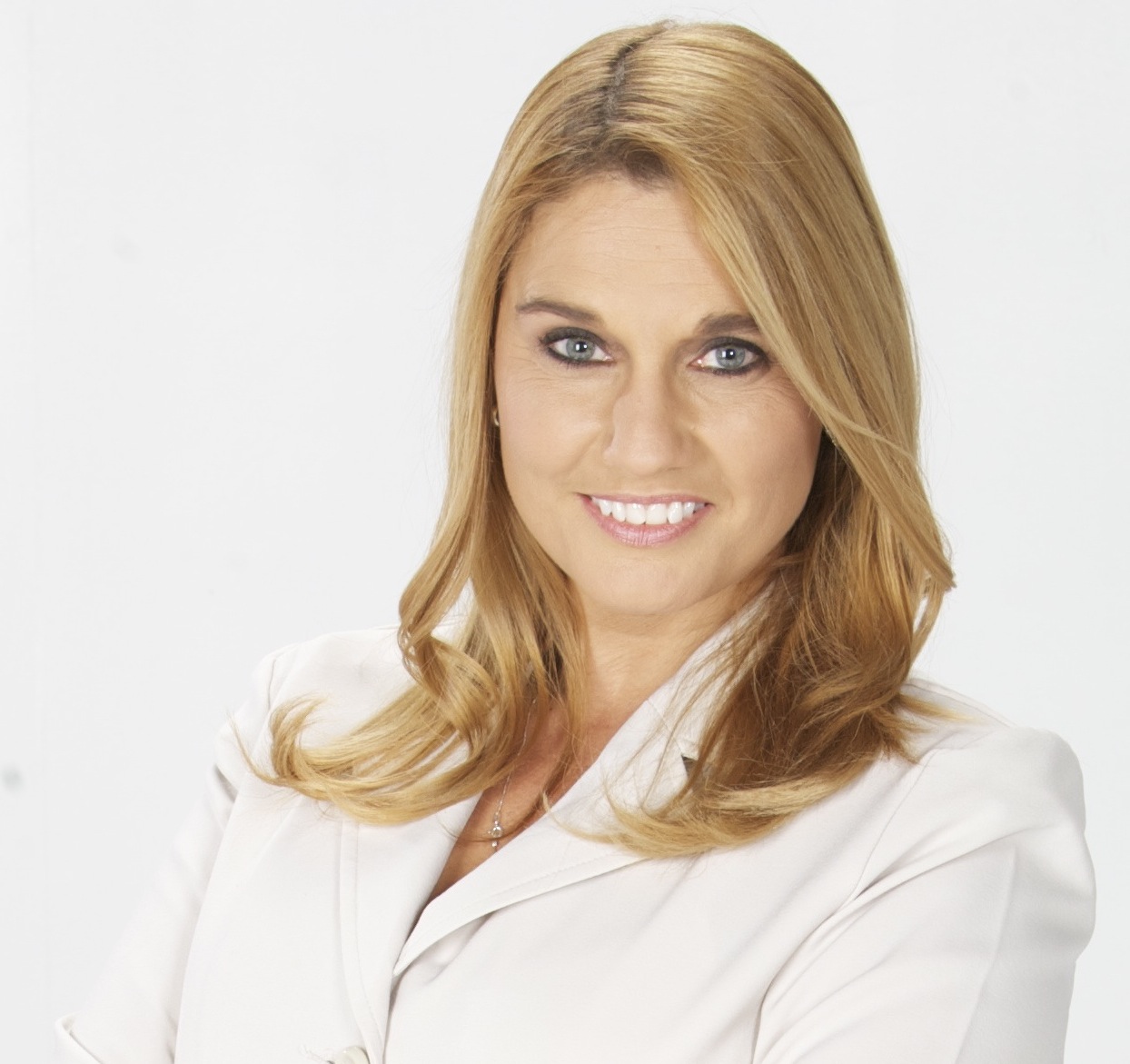
Valeria Vilar, MA, BEd, LMHC
Clinical Director of Open Mind Psychotherapy & Wellness Center.
Would you like to speak with Valeria?
Schedule a consultation at Open Mind Psychotherapy & Wellness Center.